eDNA
eDNA (Environmental DNA) method development, experimental design, and data interpretation



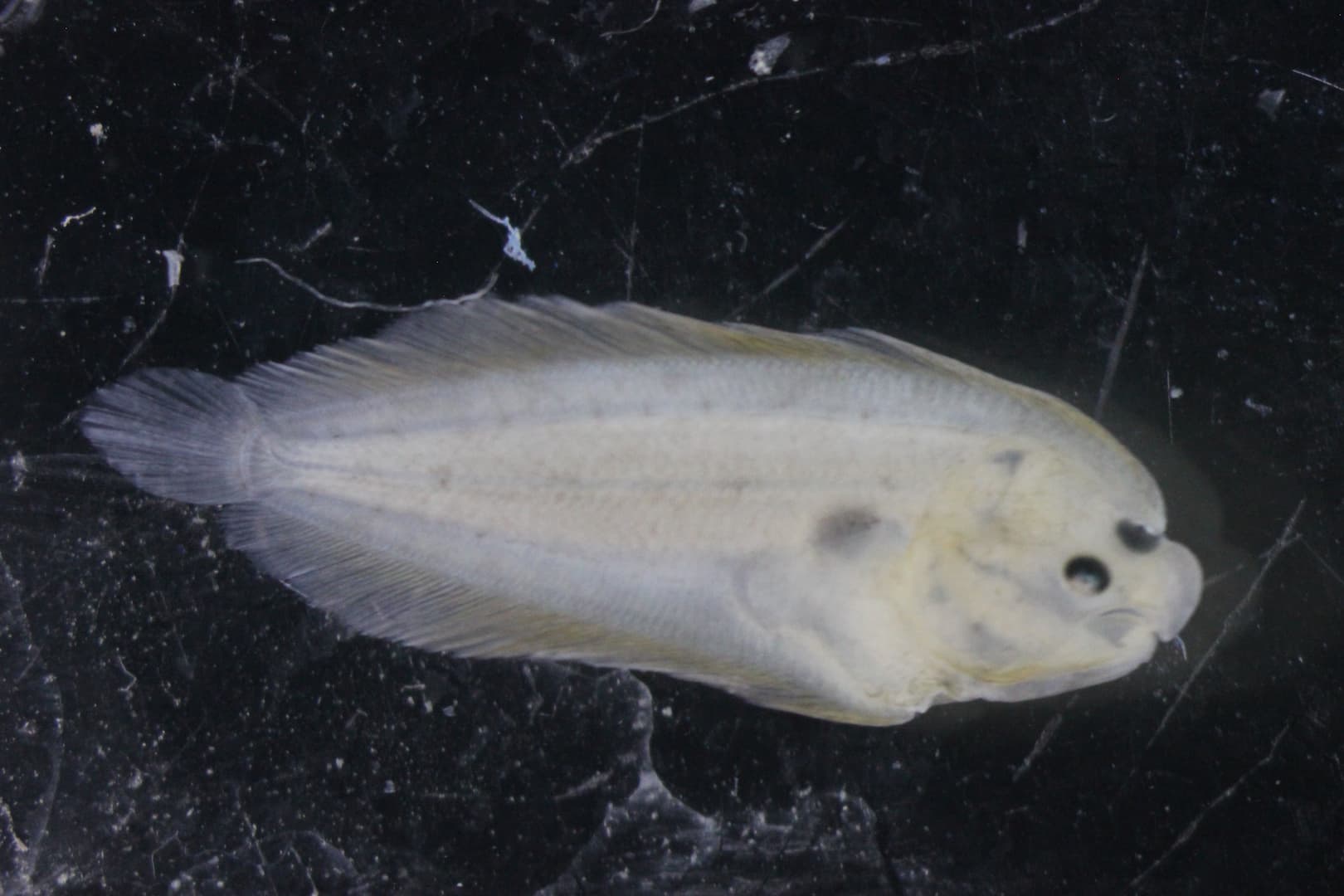
PML Applications is at the forefront of developing and optimising tools for the deployment of eDNA in several areas of marine monitoring. eDNA offers exciting possibilities in environmental monitoring as a scalable, non-invasive and holistic technique, bringing significant advances in marine monitoring.
PML Applications offer a full suite of eDNA services designed to support environmental monitoring, research, and management in marine and coastal environments. Our expertise spans the entire eDNA workflow, from method development and experimental design to data interpretation, ensuring high-quality, scientifically robust outputs tailored to client needs.
Plymouth Marine Laboratory, through the Western Channel Observatory, are curating an 11-year fish eDNA time-series, one of the longest eDNA time-series in the world.
Our eDNA capabilities include:
- Literature reviews and evidence synthesis – providing comprehensive analyses of existing research to inform monitoring strategies, policy development, R&D direction, or project design.
- Primer selection optimisation – using bioinformatic tools to test and optimise primer selection, helping ensure optimised detection of species of interest.
- Construction of reference libraries – constructing expertly curated reference libraries, an essential component to ensure eDNA technology can support decision-making using robust identification and insights.
- Field sampling design and strategy development – advising on best practices for sample collection in challenging estuarine and coastal settings.
- Laboratory analysis – offering high-quality DNA extraction, PCR optimisation, and qPCR through our dedicated molecular biology facility.
- Bioinformatics and data interpretation – applying bespoke and established pipelines for quality control, taxonomic assignment, and ecological insight. Interpretation is supported by subject experts in benthic, plankton, microbial and deep sea ecology and taxonomy.
Combining our marine science expertise with cutting-edge molecular techniques, we help clients confidently apply eDNA, whether for biodiversity assessments, regulatory monitoring, baseline surveys, impact evaluations, or early detection of invasive species or disease.
What is eDNA?
Environmental DNA (eDNA) is transforming how we study and protect marine ecosystems. Every organism leaves traces of genetic material in its environment, from skin cells and mucus to waste products, which can be collected from water or sediment samples and analysed to identify the species present.
For estuarine and coastal environments, eDNA provides a non-invasive, highly sensitive and scalable way to detect a wide range of organisms, including those that are rare, elusive or difficult to capture or identify using traditional survey methods. This makes it a powerful tool for improving our understanding of biodiversity, tracking changes in species distributions, and supporting evidence-based management of coastal ecosystems.
At PML Applications’ Centre for Environmental Solutions, we are advancing the application of eDNA to monitor fish communities in UK inshore and estuarine waters. Our work focuses on improving methodological consistency, understanding how environmental factors influence eDNA detection, and integrating these data into broader environmental monitoring frameworks.
If you would like to work with PML Applications’ eDNA specialists, please contact Dr Dimitrios Kaloudis at dka@pml.ac.uk.